Water challenges are often local issues, and the most effective solutions often come from within the community itself. When residents come together to discuss water problems and explore solutions, they can develop strategies that work best for their local environment.
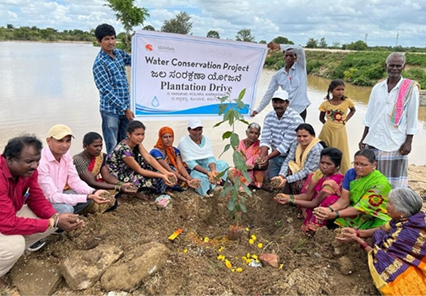
In many villages where we conduct meetings and awareness sessions, we have seen how collective action can lead to positive change. Community members share their concerns, discuss possible solutions, and work together to protect their water resources.
For example, some villages have successfully restored traditional ponds and lakes that had been neglected for years. Others have built small check dams to capture rainwater and recharge groundwater levels. These efforts help improve water availability for both households and agriculture.
Community participation also plays a key role in maintaining water systems. When people feel a sense of ownership over their local resources, they are more likely to protect and maintain them.